Understanding the psychological effects of gambling on mental health and behavior
Understanding the psychological effects of gambling on mental health and behavior
The Nature of Gambling Addiction
Gambling addiction is a complex psychological issue that affects individuals from various backgrounds. It often begins as a casual pastime but can escalate into a compulsive behavior, leading to significant mental health challenges. Many individuals who gamble excessively experience feelings of euphoria during wins, which can create a cycle of dependency. This cycle is fueled by the brain’s reward system, which releases dopamine, reinforcing the behavior and making it increasingly difficult to resist. For example, players might find themselves drawn to games like chicken road 2 that promise quick thrills and low bets.
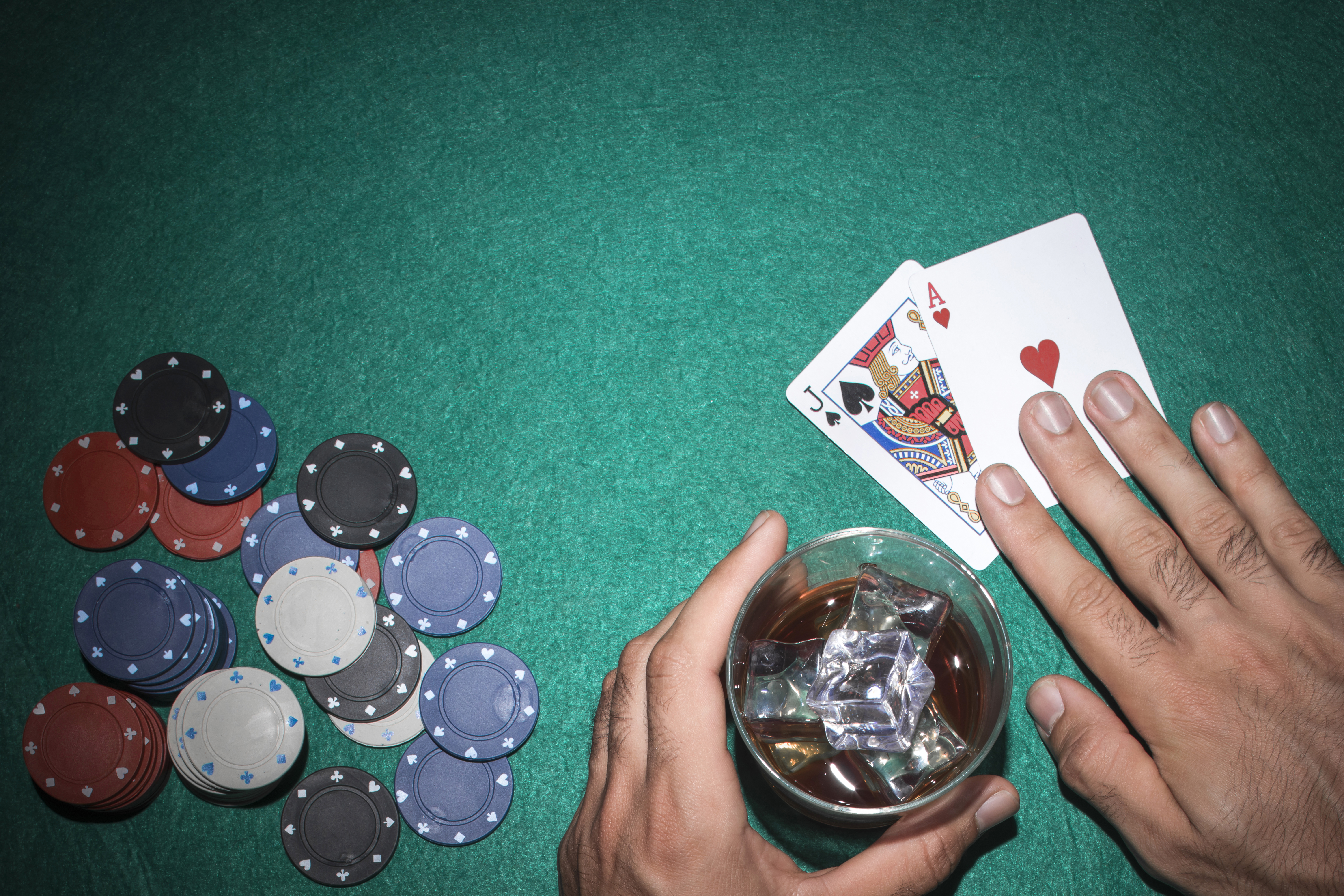
Moreover, the social aspect of gambling can contribute to its addictive nature. Friends and family may encourage participation, creating a sense of belonging that makes it harder for individuals to recognize the negative impact on their lives. The allure of potential financial gain can overshadow the risks, leading to irrational decision-making and a distorted perception of reality.
Impact on Mental Health
The psychological effects of gambling extend beyond addiction; they can significantly impact mental health. Individuals engaged in compulsive gambling often experience anxiety, depression, and stress. The constant financial strain and the risk of losing everything can lead to a heightened state of distress, further exacerbating mental health conditions.
Additionally, gambling can create feelings of shame and isolation. Many individuals suffering from gambling addiction find it challenging to discuss their issues openly due to societal stigma, which can worsen their mental health. This isolation can lead to a vicious cycle, where the individual resorts to gambling as a coping mechanism, further damaging their emotional well-being.
Behavioral Changes Associated with Gambling
Gambling can lead to significant behavioral changes in individuals, affecting their relationships, work, and everyday life. Individuals may start to prioritize gambling over essential responsibilities, leading to neglect of family and work obligations. This shift in priorities can result in strained relationships and loss of employment, further intensifying feelings of guilt and regret.
Moreover, compulsive gambling can also lead to risky behaviors, such as borrowing money or engaging in illegal activities to fund gambling habits. These behaviors not only endanger the individual but can also have serious repercussions on their loved ones, creating a ripple effect of negative consequences that extend beyond the gambler themselves.
Understanding the Odds and Decision-Making
A crucial aspect of gambling is the understanding of odds and how they influence decision-making. Many individuals approach gambling with the belief that they can outsmart the odds, leading to misguided strategies that often result in financial loss. The misconception of ‘hot streaks’ or ‘lucky numbers’ can cloud judgment and encourage continued gambling despite overwhelming evidence of the risks involved. This scenario is particularly relevant in games like chicken road 2, where understanding the odds can be vital for maintaining control.
Education on the mathematical aspects of gambling can help mitigate some of the negative psychological impacts. By understanding the true odds of winning, individuals may be less likely to gamble impulsively, fostering healthier attitudes toward gambling and decision-making. This awareness can empower individuals to engage in responsible gambling practices, ensuring that it remains a form of entertainment rather than a detrimental obsession.

Resources and Support for Gambling Issues
Various resources are available for individuals struggling with gambling addiction. Support groups, counseling services, and helplines provide essential assistance to those in need. These resources can help individuals understand their behavior, develop coping strategies, and find healthier outlets for stress and anxiety.
It’s crucial for individuals to recognize that seeking help is a sign of strength. Engaging with community support and professional services can lead to improved mental health and a better quality of life. By addressing the psychological effects of gambling openly, individuals can take the first step toward recovery and reclaim control over their lives.